Chimney Breast Ideas: 12 Ways to Make Yours a Feature
Chimney breast ideas work best when you match the idea to the room and the budget. So a tin of paint can change the whole wall for under £50. Fitted alcove shelves and a log burner turn the breast into the warm heart of the room. Still, the right choice depends on your fire, your wall space and what you can spend.
I grouped these 12 chimney breast ideas from cheapest to biggest, so you can start small and stop when the room feels right. Also, every idea has a real 2026 UK price. The log burner and removal sections cover the rules you need to know. The renter section covers ideas that leave no marks at all.
At a Glance
- Cheapest idea: a bold paint colour — about £25–£50 for a tin of paint.
- Best value: alcove shelves on both sides — around £1,000–£1,500 fitted.
- Biggest project: a log burner — £1,500–£4,000 with a sound chimney.
- DIY or pro? Paint, styling and simple shelves are DIY. Stoves, gas fires and removal need a pro.
- Biggest warning: never block a chimney without a vent. Never fit a stove without a HETAS installer or building control sign-off.
12 Chimney Breast Ideas That Work in Real UK Homes
Each of these chimney breast ideas has a price range, so you can pick one that fits your budget and your room. Actually, most UK homes with a chimney breast are Victorian or Edwardian terraces. England has 8.9 million homes built before 1945, so these walls are far more common than people think.
1. Paint it a bold colour
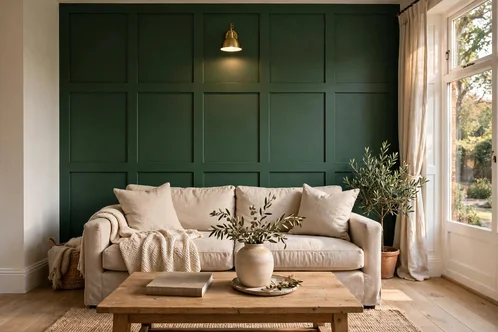
Paint is the cheapest of all chimney breast ideas, and it works in a weekend. First, pick a colour that stands apart from the rest of the walls. Then the breast turns into a feature wall on its own. Deep green, navy and warm terracotta all work well in living rooms too. They also hide scuffs better than pale shades.
Use emulsion made for interior walls, and give the breast two coats. A 2.5L tin of good paint costs £25–£50, and one tin covers most breasts twice. Sand any flaky paint first. Next fill small cracks with filler before you start. If the breast has an open fire, keep paint at least 30 cm from the opening. But heat can blister cheap paint.
2. Strip it back to brick
Stripping back to brick is one of the most popular chimney breast ideas in Victorian homes. Old brick also looks warm and full of character. Many breasts still hide good brick under layers of plaster. Next, strip the plaster back with a bolster chisel and a club hammer. Then brush the brick clean with a stiff wire brush. Seal the brick with a clear brick sealant, so dust stops shedding onto the floor.
This job costs almost nothing if you do it yourself — about £20–£40 for sealant and brushes. A builder charges around £300–£600 to strip and seal a breast for you instead. First check the brick in a small hidden patch. Some breasts were built with rough, uneven bricks that look messy when exposed. If the brick is poor, paint it instead. Painted brick still keeps the texture.
3. Panel the breast
Panelling is one of the neatest chimney breast ideas for a plain wall. It gives a flat plastered breast shape and shadow, and it suits both old and new homes. First, try simple MDF strips in a shaker pattern — they are the cheapest route. You can cut and glue them yourself in a day. Also paint the panels the same colour as the breast for a calm look. Or pick a darker shade to make the panels stand out.
MDF strips and paint cost around £150–£400 for a DIY job. A carpenter charges about £500–£900 to panel a breast and paint it. Still, keep panels clear of the fire opening. Also use heat-safe materials near any stove. For the full range of panel styles and costs, see our wall panelling ideas.
4. Tile the breast
Tiling is one of the boldest chimney breast ideas, and tiles make sense near heat. Patterned tiles also work well on the breast face. Plain metro tiles suit a plainer room. Pick tiles rated for use near heat. Also use heat-safe grout and adhesive around any fire or stove.
Patterned tiles cost about £20–£40 per square metre. A breast face is usually 2–3 square metres. A tiler still charges around £200–£400 a day, and most breasts take a day. Seal natural stone tiles before you grout them. Grout stains unsealed stone fast. For tile patterns that work in small UK rooms, see our statement tiles.
5. Fit a log burner
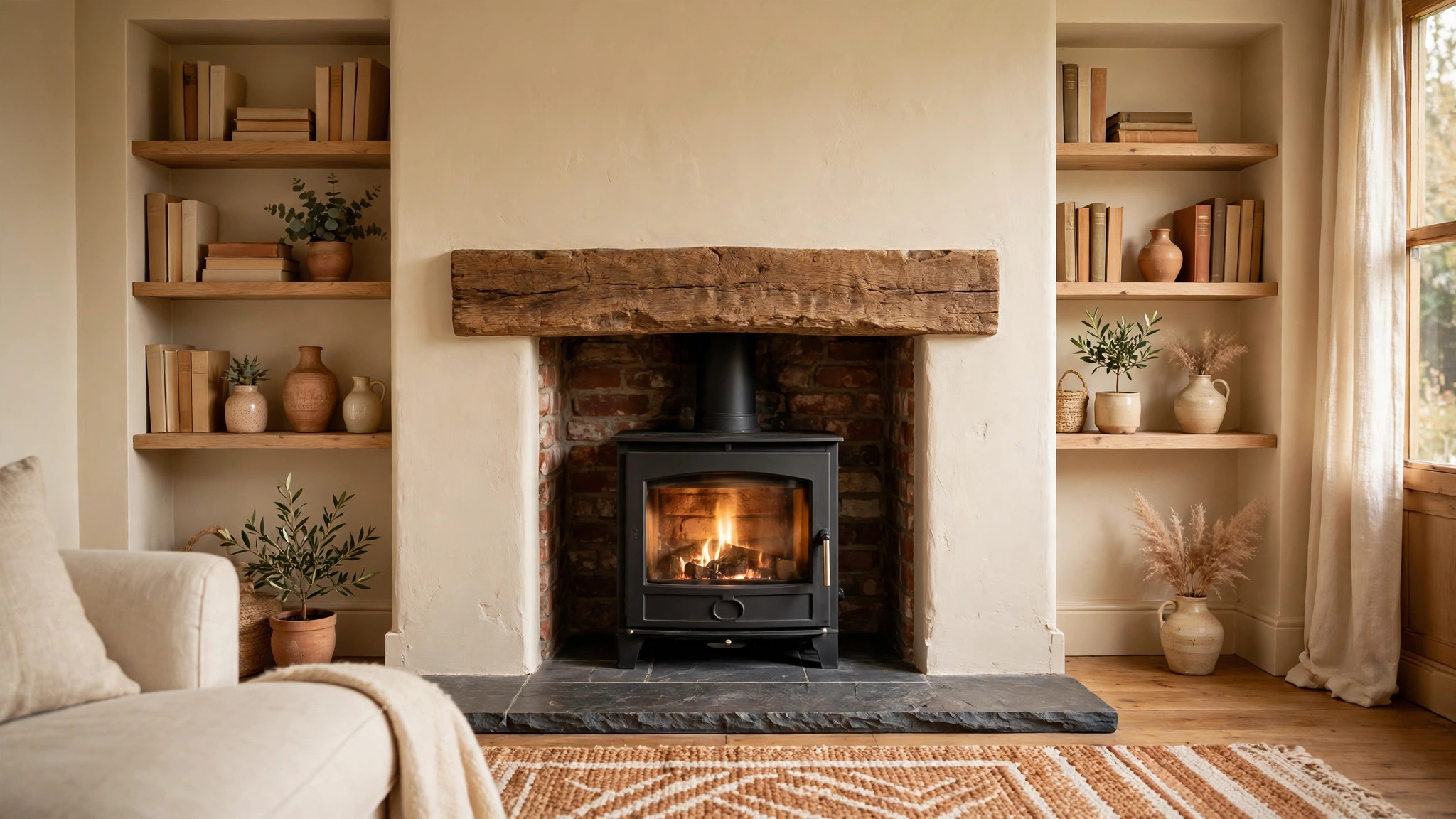
A log burner is the most loved of all chimney breast ideas, and it heats a room for real. Actually, a 5kW stove suits most living rooms. It needs a sound chimney with a flue liner. The stove itself costs £500–£1,500 for a mid-range model. The full job with a liner, hearth and labour comes to £1,500–£4,000 with an existing chimney.
Use a HETAS registered installer, as the work must meet Building Regulations. A HETAS installer self-certifies the job and gives you a certificate. A non-registered installer needs building control sign-off, and that adds £200–£400. You must also fit a carbon monoxide alarm. The law has required one with fixed solid fuel stoves since October 2022. Check the rules in Approved Document J before you book anyone. If your home sits in a smoke control area, you need a DEFRA-exempt stove. Check with your council first.
6. Add alcove shelves
Alcove shelves are among the most useful chimney breast ideas for small rooms. The alcoves on each side of a breast are free storage space. Shelves turn them into a library wall. Three or four shelves per side also hold books, plants and pretty things. They cost far less than cupboards. Paint the shelves the same colour as the walls, so they look built in.
A carpenter charges around £1,000–£1,500 to fit shelves in both alcoves. MDF costs about £70 per metre. You can fit simple shelves yourself for £100–£200 in timber and brackets if the walls are straight. Check the alcove walls for pipes and cables before you drill. Also use a spirit level on every shelf, as old walls lean. For styling ideas once the shelves are up, see our guide to floating shelves.
7. Fit alcove cupboards below the shelves
Fitted cupboards are one of the tidiest chimney breast ideas for a family room. A cupboard with doors hides toys, board games and paperwork. The shelves above stay pretty. Painted MDF is the cheapest material, and it also paints well in any colour.
Bespoke alcove cupboards with shelves cost £500–£4,000. The average is £2,250, based on Checkatrade’s 2026 guide. A pair of alcoves with cupboards below and shelves above usually costs £2,000–£4,000. Built-in lights add £150–£250, and they make the shelves glow at night. Ask the carpenter to scribe the cupboards to the wall. Old alcoves are rarely square.
8. Build a media wall around it
A media wall is a modern take on chimney breast ideas. The breast makes a natural media wall, with the TV above the fire and consoles tucked in the alcoves. Run the cables through the wall or behind trunking, so no wires show. Next, add a soundbar under the TV and a low cupboard for boxes and games.
Heat is the one thing to watch. Leave at least 30 cm between the top of the mantel and the bottom of the TV. Also check the wall stays cool when the fire runs. A bespoke media wall costs £1,500–£8,000. A simple job with a TV bracket and two alcove cupboards costs far less. Never fix a TV above a stove that runs hot. Heat kills screens fast.
9. Hang a big mirror or picture above the fire
A big mirror is one of the simplest chimney breast ideas. It bounces light around the room and makes a small living room feel bigger. Hang it low enough to catch the light from the window. Keep it centred on the breast. A big framed print works the same way if mirrors are not your style.
Use fixings made for brick or plaster, and check the weight rating before you hang anything heavy. A large mirror costs £80–£300 from high street shops. A good frame costs about the same. Keep paper prints and canvas away from direct heat. Never hang anything inside the fire opening.
10. Style the mantel and hearth
Styling the mantel is the cheapest of all chimney breast ideas after paint. It costs almost nothing and changes the room in an afternoon. Group items in threes — a tall vase, a stack of books and a candle. Leave gaps so the shelf breathes. Also swap the display with the seasons. Use pine cones in winter and fresh stems in spring.
If the fire never burns, fill the opening with stacked logs, a cluster of LED candles, or a basket of pine cones. A log basket costs only £20–£40. LED candles cost £10–£25 for a set. Keep real candles away from curtains. Never leave them burning in an empty room.
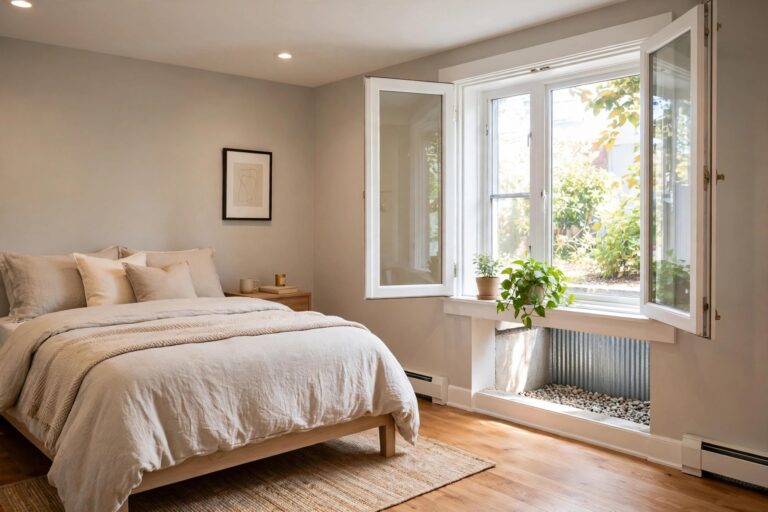
11. Use the breast as a bedroom headboard wall
A headboard wall is one of the cleverest chimney breast ideas for bedrooms. A chimney breast in a bedroom makes a ready-made headboard wall. Push the bed against the breast and hang a picture or a pair of sconce lights above it. The alcoves on each side hold bedside tables or small shelves. So you need less furniture in the room.
Paint the breast a calm colour for sleep. Soft blue, warm grey and sage green all work well too. Add wall lights on each side of the breast to free up the bedside tables. This idea costs little more than paint and two lights. It works well in small bedrooms where floor space is tight.
12. Put the cooker in it
A range cooker is one of the grandest chimney breast ideas for a farmhouse kitchen. Old farmhouse kitchens often have a wide chimney breast. A range cooker fits the opening well. The breast acts as a natural cooker hood surround, and it hides the extractor fan. Then add a chunky oak beam above the cooker for a country look. Tile the inside of the opening, so splashes wipe clean.
This is a bigger job, so get a builder to check the opening and the flue before you start. A range cooker costs £1,000–£4,000. Fitting with a new flue or extractor adds £500–£1,500. Still, keep the beam clear of the hob. Use tiles or stone inside the opening, as paint stains fast.
How Much Does a Chimney Breast Makeover Cost?
This table prices the main chimney breast ideas, so you can budget with confidence. Prices vary by region, and London still costs more than the North. The figures below use 2026 UK averages from Checkatrade and MyJobQuote. Always get three quotes for any job over £500. Check what each quote includes.
| Idea | Typical 2026 cost | DIY or pro? |
|---|---|---|
| Paint the breast | £25–£50 | DIY |
| Re-skim the plaster | £150–£300 | Pro (half a day) |
| Strip back to brick | £20–£40 DIY / £300–£600 pro | Both |
| Panel the breast | £150–£400 DIY / £500–£900 fitted | Both |
| Tile the breast | £20–£40 per m² + £200–£400 fitting | Pro for heat areas |
| Alcove shelves (both sides) | £1,000–£1,500 fitted | Pro |
| Alcove cupboards + shelves | £2,000–£4,000 a pair | Pro |
| Log burner (existing chimney) | £1,500–£4,000 | HETAS pro |
| Media wall | £1,500–£8,000 bespoke | Pro |
| Remove the breast | £1,750–£3,250 | Pro only |
Can You Remove a Chimney Breast?
Yes, you can remove a chimney breast. Of all the chimney breast ideas here, removal is the only one you must never DIY. It is a structural job. Removing a breast on one floor with the stack left in place costs £1,750–£3,250. Checkatrade’s 2026 guide puts the average at £2,500 plus VAT. A non-load-bearing breast costs far less at £400–£600. Making good the walls and floor afterwards adds about £180 per breast.
The work must still meet Building Regulations Part A. Approval costs around £200 plus VAT. You also need a structural engineer to design the support. Their report costs about £400. The whole job takes 5–8 days. It makes a lot of dust, so seal the room off first. Read the full breakdown in Checkatrade’s chimney removal cost guide before you ask for quotes.
Chimney Breast Ideas for Renters
Renters can still dress a chimney breast without losing their deposit. Lean a large mirror or framed print against the breast instead of drilling into it. Style the mantel with books, vases and candles. Fill an unused fire opening with stacked logs or LED candles. Peel-and-stick wallpaper works on a smooth breast, and it peels off clean when you leave.
Use removable hooks and strips for light pictures too. Keep everything clear of any working fire. Always check your tenancy agreement before you paint or fix anything to the walls. Ask your landlord in writing if you want to change the colour. A bold mantel display costs under £50 and changes the room at once.
What I’d Do in My Own Home
Of these 12 chimney breast ideas, I would start with paint and shelves and leave the big spend for later. I would paint the breast a deep green. Then I would fit simple oak shelves in both alcoves for books and plants. That gives the room a focal point for under £300 if I do the painting myself and pay a carpenter for one day of shelving.
Next I would save for a log burner. It heats the room, and it also pays for itself over a few winters. Three quotes from HETAS installers would come first, and I’d pick the one who explains the liner and the certificate clearly. The media wall I’d skip, as I like the mantel free for pictures and the TV fits better on a side wall.
5 Mistakes to Avoid With a Chimney Breast
These mistakes come up with chimney breast ideas of every size. Each one is easy to avoid if you know about it first.
1. Hanging a TV too close to the fire. Heat rises straight up the breast face, so a hot wall kills a TV screen. Leave 30 cm clear and test the wall temperature first.
2. Blocking the flue without a vent. An unused chimney still needs air. Damp and smells build up inside a sealed flue. Fit a vent at the base and a vented cap on the pot.
3. Painting brick with the wrong paint. Standard emulsion peels off brick near heat and damp. Use a breathable masonry paint or a clear brick sealant instead.
4. Fitting a stove without sign-off. A stove fitted without a HETAS certificate or building control approval can void your home insurance. It can also cause problems when you sell. Always get the paperwork.
5. Hanging heavy things on weak fixings. Plaster alone holds almost nothing. Drill into the brick behind it with proper wall plugs. Check the weight rating first.
Conclusion
The best chimney breast ideas start small and grow with your budget. Paint and styling cost under £50 and change the room this weekend. Alcove shelves and a log burner cost more, but they add storage and real heat. So pick one idea, get the prices clear, and start there.
Frequently Asked Questions
Q1. Do you need planning permission to remove a chimney breast?
Planning permission is not usually needed to remove a chimney breast inside your home. You do need building regulations approval. Listed buildings or homes in conservation areas need extra consent first. Leaseholders must ask their freeholder, and a breast on a shared wall may need a party wall agreement.
Q2. Why is my chimney breast damp?
Damp on a chimney breast usually comes from rain, salts or condensation. Rain gets in through failed flashing or a cracked stack, salts in old plaster draw damp from the brick, and warm room air condenses on a cold breast. Check the stack and flashing first, as roof leaks cause most cases. If the damp stays after you fix the roof, ask a damp surveyor to test for salts before you replaster.
Q3. How do you clean soot off a chimney breast?
Brush off the loose soot first with a stiff dry brush, and never wipe it with a wet cloth, as water smears soot deeper into the brick. Wash the brick with sugar soap and warm water, then let it dry fully. Seal any stains that stay with a stain-blocking primer before you paint, or the soot will bleed through.
Q4. What is the difference between a chimney breast and a chimney stack?
The chimney breast is the part you see inside the room — the brick or plastered block that sticks out from the wall and holds the fireplace. Above the roofline sits the chimney stack, with the pots on top. One flue runs through both, from the fire to the open air.
Q5. Can you fix shelves straight onto a chimney breast?
Yes, you can fix shelves to a chimney breast face with the right fixings. Drill into the brick behind the plaster with a masonry bit, and then use wall plugs rated for the weight you plan to hold. Keep shelves clear of a stove flue pipe, as the heat can scorch wood and melt plastic brackets.
Q6. How wide is a standard chimney breast?
Most Victorian and Edwardian terraces have a chimney breast about 1.2 to 1.8 metres wide in the living room, with bedrooms slightly narrower. Newer homes with false breasts are often wider, as builders size them for a TV or a media wall. Measure yours before you order shelves or a mantel, as old breasts are rarely the same width top to bottom.