
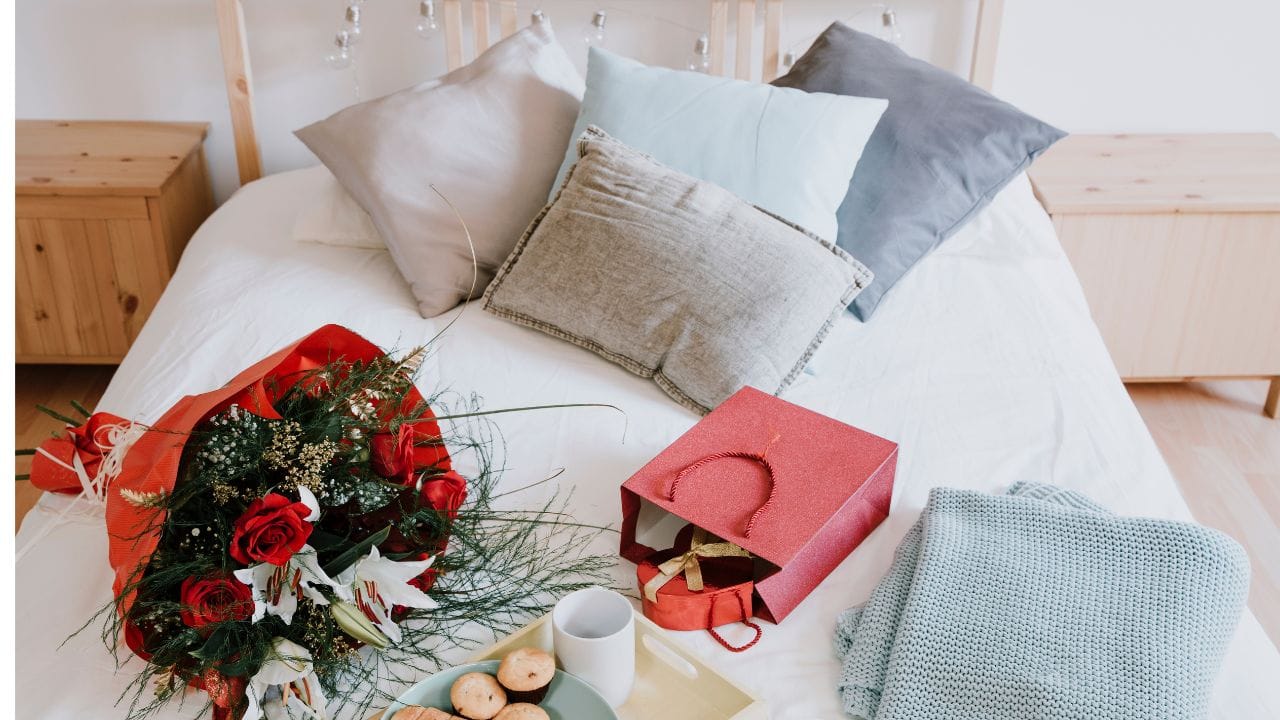
When people think about bedroom decor ideas, they often focus on wall paint, furniture, or lighting. But in real homes—especially in the US and UK—the bed is the largest and most visible element in the room. This is why bedding plays a bigger role in bedroom decor than most people realize.
In many apartments and houses, changing wall colors or buying new furniture is not always practical. Renters often cannot repaint walls, and homeowners may not want the cost or effort of a full renovation. Bedding becomes the easiest and most effective way to update the bedroom without permanent changes.
From a visual point of view, bedding sets the tone of the entire room. The color, fabric, and layering of bedsheets, comforters, and pillows directly influence how the bedroom feels—calm, cozy, modern, or cluttered. This is why interior designers often start with bedding when planning a bedroom refresh.
A common real-world problem is that a bedroom looks “unfinished” even after cleaning and organizing. In most cases, the issue is not the room itself but plain, mismatched, or low-quality bedding. When bedding lacks structure, texture, or color balance, the whole room feels flat.
By focusing on bedding first, you can:
- Refresh your bedroom decor without repainting
- Control the room’s color palette easily
- Improve comfort and sleep quality at the same time
This is why bedding is not just a functional choice—it is the foundation of good bedroom decor.
Choose the Right Bedding Color for Your Bedroom
Color is one of the first things people notice in a bedroom, and bedding color has a direct impact on how the entire space feels. In real homes, especially in the US and UK, bedrooms often have neutral wall colors like white, beige, or light grey. This makes bedding the main source of color in the room.
One common real-world problem is choosing bedding based only on what looks good online or in a store. Once brought home, the color may look too dark, too bright, or completely out of place. This usually happens because lighting, wall color, and room size are not considered.
Here’s the practical way:
- Light-colored bedding (white, cream, soft grey, pastel shades) helps small or low-light bedrooms feel more open and calm.
- Darker shades (navy, charcoal, deep green) work better in larger bedrooms with good natural light.
- Neutral bedding is often recommended for long-term use because it’s easier to style with throws and pillows later.
- Bold colors are best used carefully, especially if the rest of the room is already busy.
Another real issue people face is seasonal regret—bedding that feels too heavy or gloomy in summer or too cold-looking in winter. This is why many decor experts suggest sticking to a base neutral color and changing accents instead of buying new bedding sets frequently.
Choosing the right bedding color helps:
- Balance the room visually
- Make the bedroom feel more relaxing
- Avoid unnecessary spending on frequent replacements
Good bedroom decor starts with a color choice that works with your space, not against it.
Fabric Matters More Than Design in Bedroom Bedding
When people shop for bedding, design is often the first thing they notice. But in daily use, fabric quality affects both comfort and appearance far more than patterns or prints. We emphasize on this because it’s a common reason people feel disappointed after buying new bedding.
Many times homeowners face that the bedding that looks good for a few weeks but quickly loses its shape, softness, or finish after washing. This usually happens when fabric choice is ignored in favor of low prices or trendy designs.
Here’s about bedding fabrics that you sould know:
- Cotton beddingis widely recommended because it is breathable, easy to wash, and suitable for year-round use.
- Linen bedding is often suggested for a relaxed, natural bedroom look and works well in warmer climates.
- Microfiber or synthetic fabrics are budget-friendly but may trap heat and show wear faster.
- Thread count is less important than fiber quality, which many buyers misunderstand.
Another practical issue is climate. Bedrooms in colder regions need bedding that retains warmth, while warmer areas require breathable materials. Choosing the wrong fabric can make even a well-decorated bedroom uncomfortable, affecting sleep quality.
From a decor perspective, good fabric also:
- Drapes better on the bed
- Looks fuller and more structured
- Maintains its appearance after repeated washes
This is why experienced decorators often recommend investing in better fabric rather than multiple cheap bedding sets. It improves both comfort and the overall bedroom decor without constant replacement.
Layering Bedding for a Polished and Well-Styled Bedroom
Layering is one of the most practical bedroom decor ideas used by designers, and it relies entirely on bedding—not expensive furniture or accessories. Many bedrooms look plain or incomplete because the bed has only a single bedsheet and a comforter. This creates a flat, unfinished appearance.
A common problem is thinking that layering means buying more items and spending more money. In reality, layering is about using existing bedding in a structured way to add depth and balance.
Top home decorators describe bedding layers like this:
- A fitted or flat bedsheet as the base
- A main comforter or duvet for structure
- A lightweight quilt, throw, or folded blanket for texture
This approach works because each layer serves a visual purpose. The base layer keeps things neat, the middle layer adds volume, and the top layer adds contrast. Even neutral-colored bedding looks more intentional when layered correctly.
Another issue many people face is seasonal discomfort—beds feeling too warm or too cold. Layering solves this by allowing you to remove or add layers easily without changing the entire bedding set.
From a decor point of view, layered bedding:
- Makes the bed look fuller and more inviting
- Adds texture without clutter
- Works well in both small and large bedrooms
Layering does not require matching everything perfectly. Subtle contrast in texture or shade often creates a more natural and comfortable look.
Pillow Styling That Instantly Improves Bedroom Decor
Pillows play a major role in how a bed—and the entire bedroom—looks. Many real bedrooms feel messy or unfinished not because of clutter, but because pillows are either missing, mismatched, or poorly arranged.
One problem people face is overdoing it. Too many pillows can make the bed uncomfortable and impractical for daily use, while too few can make the bed look flat. The goal is balance, not excess.
What top decorators recommend:
Sleeping pillows should always come first for comfort.
- Decorative pillows are optional and should support the bedding color scheme.
- A simple arrangement often looks better than complex stacking.
- Matching pillow covers with bedding fabric or accent colors creates cohesion.
Another common mistake is using pillows that lose shape quickly. Flattened or uneven pillows make even expensive bedding look cheap. This is why fabric quality and pillow inserts matter as much as the covers themselves.
From a decor perspective, well-styled pillows:
- Add structure and symmetry to the bed
- Help tie bedding colors together
- Make the bedroom look intentional rather than rushed
Good pillow styling improves bedroom decor without taking up extra space or requiring permanent changes.
Using Throws and Blankets as Simple Decor Accents
Throws and blankets are often seen as functional items, but they are visual tools that add warmth and character to the space. In many real homes, bedrooms feel complete but still lack that cozy, inviting touch. This is where throws make a noticeable difference.
The bedroom that feels cold or plain even with good bedding. Adding a throw instantly breaks the monotony of a single-color bed and introduces texture without overwhelming the space.
Decor suggestions of using throws:
- Folded neatly at the foot of the bed for a clean look
- Draped casually across one side for a relaxed feel
- Matched loosely with pillow or bedding tones, not exact colors
Throws are also useful for seasonal changes. Lightweight throws work well in warmer months, while thicker knitted or woven blankets add comfort in colder seasons. This allows homeowners to update the bedroom decor without changing the entire bedding set.
Another real issue is over-accessorizing. Throws work best when used sparingly—one well-chosen piece is usually enough.
From a styling point of view, throws:
- Add depth and contrast to bedding
- Make the bed look more inviting
- Provide both comfort and visual balance
When chosen carefully, throws enhance bedroom decor without adding clutter or extra cost.
Using Bedding Patterns Without Making the Bedroom Look Busy
Patterns can add personality to a bedroom, but they are also one of the most common reasons a room starts to feel visually overwhelming. Many people struggle with this —especially when they like printed bedding but worry it might clash with the rest of the decor.
Patterns work best when they are balanced, not when everything competes for attention. A frequent problem is pairing patterned bedding with colorful walls, heavy curtains, and bold rugs, which makes the bedroom feel crowded rather than stylish.
How to use them:
- Use one main pattern and keep the rest of the bedding simple
- Pair patterned duvet covers with solid-colored sheets
- Choose smaller or subtle prints for small bedrooms
- Avoid mixing too many different patterns on the bed itself
Another issue people face is getting bored quickly with bold designs. Highly trendy or loud patterns may look attractive at first but can feel tiring over time. This is why many decor experts suggest neutral or classic patterns that age well.
From a decor standpoint, well-used patterns:
- Add visual interest without clutter
- Help express personal style subtly
- Keep the bedroom calm and balanced
Patterns should enhance bedding—not overpower it. Used thoughtfully, they support bedroom decor instead of distracting from it.
Bedding Decor Ideas for Small Bedrooms
Small bedrooms present a very real challenge: limited space makes every decor choice more noticeable. One of the most common problems people face is that their bedroom feels cramped even when it’s clean and organized. Bedding plays a major role in either solving or worsening this issue.
The bulky or dark bedding can visually shrink a room. This is why small-space decor starts with smart bedding choices rather than additional furniture or accessories.
What I recommend for small bedrooms:
- Light or neutral bedding colors to reflect light
- Simple designs instead of heavy patterns
- Avoiding oversized comforters that overwhelm the bed
- Keeping bedding neatly layered rather than piled
Another issue is storage. In small bedrooms, extra blankets and pillows often end up creating clutter. Minimal bedding with purposeful layering helps maintain a clean, open look without sacrificing comfort.
From a practical decor perspective, the right bedding:
- Makes the room feel brighter and larger
- Reduces visual clutter
- Keeps the bedroom functional and comfortable
In small bedrooms, less is not about style—it’s about making smarter decor choices.
Budget Bedroom Decor Ideas Using Bedding Only
One of the biggest problems people face is wanting to refresh their bedroom without spending a lot of money. Full makeovers—new furniture, wall paint, or lighting—are often expensive and time-consuming. This is why we focus on bedding-first budget solutions.
A common mistake is thinking budget decor means low quality. In reality, smart bedding choices can improve bedroom decor without replacing everything at once.
Practical, budget-friendly ideas:
- Replacing just the duvet cover instead of the full bedding set
- Using neutral base bedding and updating the look with affordable pillow covers
- Reusing existing blankets as decorative throws
- Buying bedding during seasonal sales rather than impulse purchases
Another real issue is overspending on trends. Many people buy trendy bedding that goes out of style quickly, forcing them to spend again. Budget-focused decor guides recommend timeless colors and simple designs that last longer and work with different accessories.
From a cost and decor point of view:
- Reduces unnecessary spending
- Allows gradual upgrades instead of one-time expenses
- Keeps the bedroom looking updated year after year
Affordable bedroom decor is not about buying more—it’s about buying smarter and using bedding strategically.
Seasonal Bedroom Decor Changes Using Bedding
One reason bedrooms start to feel dull over time is that the decor stays the same all year.People experience seasonal changes in temperature, light, and mood—but their bedroom decor often doesn’t reflect that. Bedding is the easiest way to adapt the bedroom without major effort.
A common problem is using the same heavy or dark bedding throughout the year, which can make bedrooms feel uncomfortable or out of sync with the season. So we recommend small seasonal bedding swaps instead of full decor changes.
Seasonal bedding ideas include:
- Using lighter fabrics and brighter shades during warmer months
- Switching to warmer textures and deeper tones in colder seasons
- Rotating throws and pillow covers rather than replacing the entire set
- Storing off-season bedding to reduce visual clutter
Another issue people face is storage. Seasonal changes don’t mean owning too many items—just rotating a few key pieces makes a visible difference.
From a decor and comfort standpoint:
- Keeps the bedroom feeling fresh
- Improves sleep comfort year-round
- Helps maintain a clean, intentional look
Seasonal updates through bedding are simple, practical, and effective—making them one of the smartest bedroom decor ideas for everyday living.
Conclusion: Simple Bedding Choices Can Transform Your Bedroom Decor
Bedroom decor does not always require big changes or high spending. As seen throughout this guide, bedding alone has the power to define how a bedroom looks, feels, and functions. From color and fabric to layering and seasonal updates, small and practical bedding decisions solve many problems people face in their bedroom decoration.
Most bedrooms feel incomplete not because they lack furniture or decor items, but because bedding is overlooked or poorly chosen. By focusing on quality, balance, and purpose bedding becomes both a comfort essential and a strong decor element.