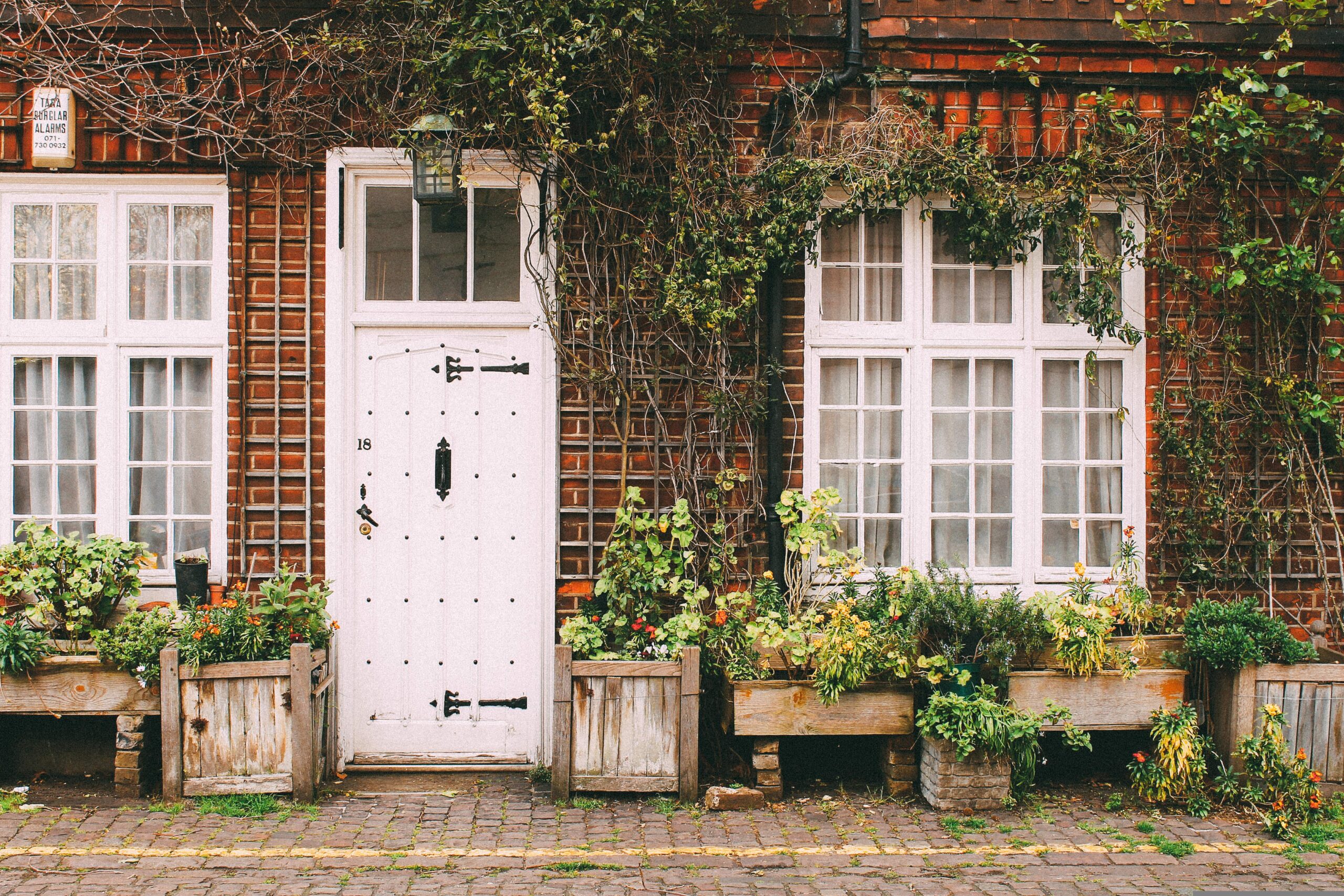
Farmhouse Cottage Interiors: 11 Cosy Ideas for Small UK Homes
Your living room is small, the light is grey by four in the afternoon, and the whole place feels a bit bare. You want it to feel warm and lived-in, like those cosy country cottages you see on Pinterest. But you live in a terrace in Manchester, not a farmhouse in the Cotswolds.
So here is the good news: farmhouse cottage style was made for small British homes. After all, it is not about owning a farmhouse. It is about wood, wool, soft colours and things that look used and loved. And you can do most of it in one weekend, without spending a fortune.
So this article gives you 11 ideas that actually work in a small UK home. Every idea has a rough cost, a small-space tip, and a renter-friendly version. No building work. No big budget. Just a warmer home by Sunday night.
At a Glance
- Best idea first: layer textures — a wool throw, linen cushions and a jute rug can change a whole room for about £40.
- Cheapest option: dried eucalyptus or lavender in a jam jar — about £5, and it makes a shelf look finished.
- Biggest mistake: buying everything “farmhouse” at once from one shop. It ends up looking like a themed pub, not a home.
- One number to remember: searches for “farmhouse cottage interiors” are up 370% (Pinterest Autumn Trends report, October 2026) — this look is having a real moment.
- Renter rule: if it needs a drill, skip it. Every idea in this article has a no-drill version.
What farmhouse cottage style actually is
Farmhouse cottage style is country living, but soft. Think of a cottage kitchen with a big wooden table, plates on open shelves, a dog asleep by the fire. Now take that feeling and put it in a normal house.
First, the trick is balance. Designers who write about this style use a rough rule. It is about 60% modern and 40% cottage in what you buy, and the other way round for the bones of the room. In other words, keep your sofa, your TV and your normal life. Add cottage touches on top. After all, you are not building a film set. You are warming up the room you already have.
It is also different from plain rustic style. Rustic can feel rough and dark. Farmhouse cottage is lighter — warm whites, soft greens, pale wood, floral prints. It is also different from the thrifted look we wrote about before. Thrifted is about where things come from. Farmhouse is about how the room feels.
This style suits British homes well. Our rooms are small, our light is soft, and our houses are often old. As a result, a farmhouse look works with all of that instead of fighting it.
The colours: keep it warm and pale
Farmhouse cottage colours are easy. Start with warm white walls — not brilliant white, which looks cold in a north-facing room. Warm white has a tiny bit of cream in it. It makes the whole room feel softer at once.
Next, add three colours, and only three. Sage green is the classic one. Then a warm wood brown. Then one soft accent — dusty pink, pale blue or butter yellow. That is it. In fact, if you add more colours, the room starts to feel busy.
For autumn 2026, the shades people are reaching for are chocolate brown, burgundy and olive, with cream to lift them. For example, you do not need to paint a whole room burgundy. A burgundy cushion or a chocolate throw does the same job for £15.
One key phrase to remember: warm white walls, three colours, and wood everywhere. If you stick to that, the rest falls into place.
11 farmhouse cottage ideas for your home
1. Paint the walls warm white
This is the cheapest big change you can make. For instance, brilliant white looks sharp and cold in most British rooms, especially ones that face north. Warm white looks soft, even on a grey day.
How to copy it: pick a warm white like Dulux Jasmine White or Farrow & Ball Wimborne White. In fact, one coat is often enough over pale walls. Do one room first — the living room is the best test.
What it costs: about £25 to £40 for a 5-litre tin, plus a roller and tray if you need them.
Small-space tip: paint the ceiling the same warm white. It makes a low ceiling feel higher, and you save a tin of white paint.
2. Put a chunky wood table at the centre
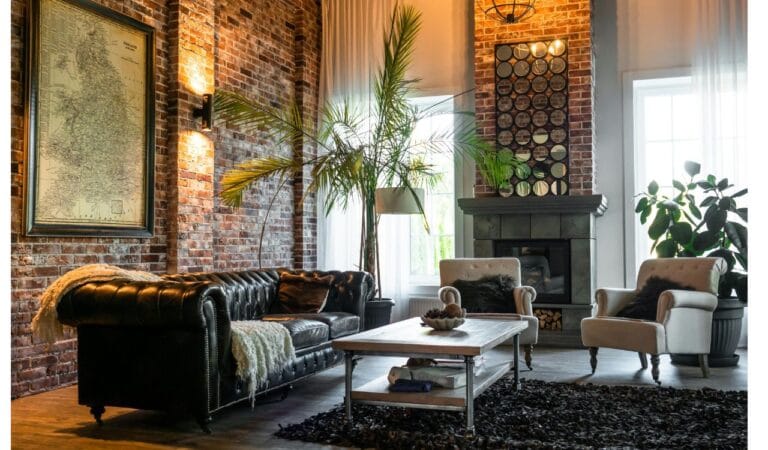
Every farmhouse room has one heavy piece of wood. In a living room, that is a coffee table. In a kitchen, it is the dining table. What makes the room feel country is the wood, not the ornaments.
How to copy it: look second-hand first. A solid pine coffee table costs about £30 to £80 on Facebook Marketplace or in a charity shop. New, a similar one from IKEA or Dunelm is about £80 to £150. In fact, scratches are fine — they add to the look.
Small-space tip: pick a table with a shelf underneath. It holds books and throws, so you get storage without another piece of furniture.
3. Layer textures until the room feels soft
Farmhouse style is all about touch. Wool, linen, cotton, jute and wood, all in one room. So if a room feels cold, it is usually because everything in it is smooth and hard.
How to copy it: start with three things. A wool throw over the arm of the sofa. Two linen cushions. A jute rug under the coffee table. That is the whole trick, and you can do it in one shop trip.
What it costs: a wool-blend throw is about £15 to £30, linen cushion covers about £8 to £15 each, and a small jute rug about £20 to £40.
Small-space tip: in a tiny room, use one big rug instead of two small ones. Two small rugs chop the floor up and make the room look smaller.
4. Put plates and mugs on open shelves
Farmhouse kitchens show things off instead of hiding them. A row of plates, a few mugs and a jug on an open shelf makes a plain kitchen feel like a cottage kitchen in one afternoon.
How to copy it: take one wall cupboard door off, or put up one floating shelf. Stack white or cream plates, add three or four mugs, and one jug with wooden spoons in it. So keep it to things you actually use, or it turns into clutter.
What it costs: a floating shelf is about £15 to £30, brackets included. The plates and mugs you already own cost nothing.
Small-space tip: only dress the top shelf. Keep everyday plates low, where you can reach them, and put the pretty ones up high.
5. Hang gingham or floral curtains
Curtains change a room more than almost anything else. Gingham checks and small floral prints are the farmhouse classics, and they soften a plain white window frame at once.
How to copy it: measure the window, then buy ready-made curtains a little longer than you need — puddling on the floor by an inch looks cottage, not messy. For example, sage green gingham suits most rooms. Pale floral suits a bedroom.
What it costs: ready-made pairs run about £25 to £70, depending on size. A tension rod costs about £5 and needs no drilling.
Small-space tip: hang the curtain rail a few inches above the window frame and wider than the window. The window looks bigger, and the room feels taller.
6. Give the room an anchor: a dresser or sideboard
A dresser is the piece that says “farmhouse” louder than anything else. It also gives you storage, a place to show off plates and photos, and a surface for a lamp and a vase.
How to copy it: a second-hand pine dresser costs about £50 to £200, depending on size and condition. First, check the drawers open properly before you buy. If the wood is dark and shiny, a light sand and a coat of chalk paint in warm white will change it completely.
What it costs: second-hand £50 to £200, chalk paint about £15 to £25 a tin.
Small-space tip: in a small living room, use a narrow sideboard instead of a full dresser. You get the same look without losing floor space.
7. Warm up the light
Farmhouse rooms glow. The secret, however, is not one big ceiling light. It is lots of small, warm lights: a table lamp, a candle, a string of fairy lights.
How to copy it: put a table lamp on the sideboard or next to the sofa. Use a warm bulb — 2700K on the box. That is the cosy yellow one, not the cold white one. Then add a couple of candles in jam jars. In winter, fairy lights along a shelf or a mirror cost pennies to run and make the whole room feel warm.
What it costs: a simple table lamp is about £10 to £25, a pack of fairy lights about £5 to £10, candles about £3 to £8.
Small-space tip: never use the big ceiling light on its own in the evening. Two small lamps beat one bright light every time, and the room looks twice as big in soft light.
8. Add dried flowers and greenery
Fresh flowers are lovely, but they die in a week. Dried flowers last for months, and they are the farmhouse finishing touch. Eucalyptus, lavender and dried grasses all work.
How to copy it: buy one bunch of dried eucalyptus (about £5) and split it between two jam jars or small vases. Put one on the kitchen shelf and one on the bathroom windowsill. Similarly, a small bunch of dried lavender by the bed smells lovely too.
What it costs: about £5 to £15 for a bunch, and the jars are free from your kitchen cupboard.
Small-space tip: keep it small. One little bunch per room is enough. A giant bunch in a tiny flat looks like a bush, not a cottage.
9. Hunt for one vintage piece per room
For a start, you do not need a house full of antiques. One old thing per room is enough to make the whole place feel like it has a story. A gilt mirror, a ceramic jug, an old wooden frame.
How to copy it: pick one thing you actually like, not just something that says “vintage” on the tag. A mirror over the fireplace. A jug on the dresser. An old frame with a family photo in it. In the end, one good piece beats five cheap ones.
What it costs: about £5 to £30 in a charity shop or at a car boot sale. Mirrors cost more, but a small one is often under £15.
Small-space tip: a mirror opposite a window doubles the light in a dark room. It is the oldest trick in the book, and it works in every single house.
10. Make the bedroom layered and soft
A farmhouse bedroom is not about matching sets. Instead, it is about layers: a linen duvet, a wool throw at the foot of the bed, two soft pillows and one small cushion. It should look like you could fall into it.
How to copy it: start with the bedding. White or cream linen-look bedding, then a throw in sage green or dusty pink across the bottom. Finally, add a small bunch of dried lavender on the bedside table and a warm lamp instead of the ceiling light.
What it costs: linen-look bedding is about £25 to £50, a throw £15 to £30, a bedside lamp £10 to £20.
Small-space tip: in a box room, keep the bedding pale and the throw the only strong colour. Dark bedding in a tiny room makes the walls close in.
11. Do the hallway first, not last
Everyone forgets the hallway, but it is the first thing you see when you come home. In fact, a farmhouse hallway needs only three things: hooks, a basket and something warm underfoot.
How to copy it: put up a row of hooks for coats (stick-on hooks if you rent). Add a basket by the door for shoes and scarves. Then put a small rug or runner on the floor. A little wooden bench is lovely if you have the space, but a basket does the same job.
What it costs: a row of hooks is about £10 to £20, a basket £8 to £15, a runner £15 to £30.
Small-space tip: in a narrow hallway, use a wall-mounted hook rail and a flat basket, not a bench. You keep the walkway clear, and the hall still feels finished.
Renter-friendly callout
Half our readers rent, so here is the short version: you can do every idea in this article without losing your deposit.
Stick-on hooks work instead of nails. For curtains, a tension rod does the job without drilling a rail. Command strips hold up light frames and fairy lights. Paint only if your landlord says yes — if not, warm white bedding and throws do the same job as warm white walls. On top of that, buy second-hand, because you can sell it all again when you move.
The one thing to skip as a renter is open shelving that needs drilling. Use a freestanding shelf unit or a leaning ladder shelf instead. Same look, no holes.
What I’d do in my own home
If I had one Saturday and £100, here is exactly what I would do. First, I would spend £30 on a warm white tin of paint and do the living room walls. After that, £25 on a wool throw and two linen cushion covers. Next, £20 on a jute rug from a second-hand site. Finally, £10 on a bunch of dried eucalyptus and a table lamp from a charity shop. The last £15 would go on a gingham curtain for the kitchen window.
That is it. Five things, one day, and the whole downstairs would feel like a different house. I would not buy a single ornament. The texture does the work. So if you only do one thing, do the paint and the throw — those two alone change how a room feels at night.
Mistakes to avoid
1. Buying a whole “farmhouse set” at once. One shop, one trolley, everything matching. It looks like a showroom, not a home. Instead, buy one piece at a time, and live with it for a week before you buy the next.
2. Going too dark. Farmhouse is warm, not gloomy. Dark brown walls and black furniture in a small north-facing room will make it feel like a cave. So keep the walls pale and put the dark colours in cushions and throws.
3. Too many signs with words on them. One “Home Sweet Home” sign is sweet. Five of them is a gift shop. So pick one, or none at all. The wood and the wool say enough.
4. Forgetting the ceiling light. A bare bulb or a cold white light kills the whole look in one second. In fact, a warm bulb costs £3 and changes everything. Check the box: you want 2700K.
5. Filling every surface. Farmhouse rooms look lived-in, not stuffed. If every shelf is full, the eye has nowhere to rest. For this reason, leave one shelf half empty on purpose. It makes the full ones look better.
6. Copying a big American farmhouse. Their rooms are twice the size of ours, with ceilings twice as high. A giant dining table and a wagon wheel will not fit in a Victorian terrace. Scale everything down by a third, and it will look right.
FAQs
Is farmhouse cottage style going out of fashion?
No — in fact, it is growing, not shrinking. Searches for “farmhouse cottage interiors” are up 370% this autumn (Pinterest Autumn Trends report, October 2026). After all, styles that are based on wood, wool and soft colours tend to last, because they are about comfort, not fashion. The version that dates fast is the themed one — wagon wheels and word signs. The quiet version, with plain wood and pale walls, has been around for years and is not going anywhere.
Do I need real wood, or is wood-effect okay?
Wood-effect is fine. In fact, most people cannot tell a good wood-effect top from real pine once there is a throw and a mug on it. The trick is the finish: pick a matte or satin finish, not high gloss. Glossy wood-effect looks plastic. Matte wood-effect looks like wood. Then spend the money you save on one real wood piece — a chopping board, a bowl, a frame — and put it where hands touch it.
What flooring goes with farmhouse style in a rented flat?
You cannot change the floor in a rented flat, so cover it. For example, a big jute or wool rug does most of the work. If the carpet is grey and flat, a rug in a warm natural colour on top changes the whole room. Peel-and-stick wood-effect floor tiles exist, but check your tenancy agreement first — some landlords say no to anything stuck down. A rug is always safe, and you take it with you when you move.
Can I have a farmhouse kitchen with no pantry or larder?
Yes. A pantry is lovely, but most British kitchens do not have one. Instead, use a freestanding cupboard — an old pine cupboard or a cheap IKEA cupboard painted warm white does the same job. Put jars, tins and dry food in it, and keep the worktop clear. A row of glass jars on an open shelf also gives you the farmhouse look without any building work at all.
Are log burners allowed in a smoke control area?
It depends on where you live. Many British towns and cities are smoke control areas. That means you can only burn authorised smokeless fuel — unless your stove is a DEFRA-approved model, which can burn wood legally. First, check on the GOV.UK website by typing your postcode. If you rent, you cannot fit a stove anyway, so a wood burner is a homeowner-only idea. An electric stove-effect fire gives you the glow for about £80, with no rules to worry about.
How do I stop a farmhouse room looking dusty or old-fashioned?
After all, dust is the enemy of this style, because pale wood and open shelves show it fast. The fix is simple: fewer things on show, and a quick wipe once a week. Keep open shelves to things you use every day, so they get washed, not dusted. And skip anything that looks like it came from a museum — cracked glaze, fake cobwebs, yellowed lace. Farmhouse should look loved, not left behind.
How much does it cost to give a whole living room the farmhouse look?
For example, doing it second-hand, about £150 to £400 for a full living room: paint, a second-hand table, a rug, a throw and cushions, a lamp and a few vintage finds. Buying everything new from the high street, the same room runs about £400 to £800. The biggest saving is always the furniture — a second-hand dresser or coffee table costs a third of a new one. So start with paint and texture, which cost the least and change the most.
Closing
Farmhouse cottage style is not about having a big house or a big budget. It is about making the home you already have feel warm, soft and lived-in. In the end, a tin of warm white paint, a wool throw and a bunch of dried eucalyptus will do more than a whole trolley of ornaments.
Your first step today is the easiest one: order a warm white tester pot and paint one wall. And by tonight, you will see the whole room differently. Then pick your three colours, and take it from there — one piece at a time, one weekend at a time.