House Burping: What It Is, How It Works, and Why Your Home Might Need It
Have you ever walked into your home after a long day and noticed the air feels heavy? Maybe last night’s dinner is still hanging around, or the bathroom is still damp from a morning shower. Stale, stuffy air is a common problem, especially in the UK, where windows often stay shut for months.
One simple way to deal with it is something people call house burping. It sounds a little odd, but the idea is straightforward. Read on to find out how it works, when it helps, and when it is not enough on its own.
What Is House Burping?
House burping is an informal term for airing out your home. You open suitable windows and doors for a short time so stale indoor air can escape and fresh outdoor air can come in. Think of it as letting your home take a deep breath.
The name comes from the way a baby is “burped” to release trapped air. In the same way, a home can have trapped moisture, smells, and stale air that need somewhere to go.
It is worth being clear that house burping is not a recognised technical ventilation method. You will not find it in building regulations or ventilation guidance. It is simply a handy, everyday way of describing something many of us already do: opening the windows.
How Does House Burping Work?
The principle is simple. Indoor air often holds more moisture, cooking odours, and everyday pollutants than the air outside. When you open a window, the air moves from one place to the other, and the indoor air gets replaced with fresher air.
Why Airflow Matters
Opening a single window helps a little, but air moves much better when it has a clear path through your home. This is called cross-ventilation. If you open a window on one side of the house and another on the opposite side, air can flow right through instead of just drifting in and out of one gap.
Choosing Suitable Weather
The weather makes a big difference. A dry, breezy day usually works well. A very damp, foggy day may bring humid air in, which defeats the purpose. We will look at this in more detail below.
Why Might Your Home Need House Burping?
Your home often gives you clues that the air needs refreshing. Common signs include:
- Stuffy or stale air: the room feels heavy, especially first thing in the morning.
- Lingering cooking smells: last night’s curry is still very much present.
- Excess moisture and condensation: water droplets on windows or damp-feeling walls.
- Bathroom steam: mirrors and tiles stay fogged long after a shower.
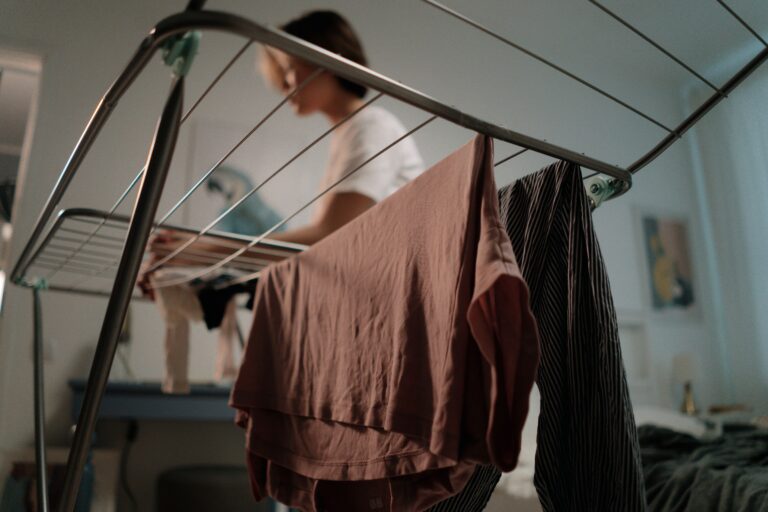
- Damp laundry: clothes drying indoors can release a surprising amount of moisture.
- Unpleasant odours: a general musty or closed-in smell.
These signs can have different causes. Ventilation may help with many of them, but it does not replace fixing a leak, treating damp, or dealing with persistent mould. If the problem keeps coming back, something else is probably going on.
Benefits of House Burping
Done sensibly, airing out your house can offer several benefits:
- It helps refresh indoor air and makes rooms feel more pleasant.
- It can reduce lingering odours from cooking, pets, or laundry.
- It helps remove some of the excess moisture that builds up in daily life.
- It can make your home feel more comfortable.
How much difference it makes depends on your home’s condition, its existing ventilation, and the quality of the air outside. A few minutes of fresh air will not transform a poorly ventilated property, but it is a useful habit.
How to Burp Your House Step by Step
There is no single perfect method, but this approach works well for most UK households.
- Pick the right moment. Choose a time when the weather is reasonably dry and the outdoor air feels fresh.
- Choose your windows. Open windows on opposite sides of your home, or on different floors, so air can pass through.
- Create a clear path. Open internal doors between the rooms you want to air, and move anything that blocks the flow.
- Ventilate after moisture-heavy activities. Open a window after cooking, showering, or drying laundry indoors, and use any extractor fan too.
- Keep it short and sensible. Many homes benefit from a short, brisk airing rather than leaving windows ajar all day. The right length depends on your home, the weather, and how much air movement you get.
- Close up when conditions change. If it starts to pour, turns very cold, or the outdoor air quality drops, close the windows.
- Check security before you leave. Never leave windows open when the house is empty or when you are asleep unless they are secure.
Best Times to Air Out Your Home in the UK
UK weather changes quickly, so timing matters more than you might think.
i. Cold days: A short airing is usually enough. You will let in fresh air without losing too much heat. Closing the radiator valve in that room for a few minutes can help.
ii. Rainy days: Light rain is not always a problem, but heavy rain or very damp air can add moisture. Choose a drier moment if you can.
iii. Warm days: Early morning and evening are often best, as the air is cooler and fresher. Opening windows overnight can help cool the house in summer, as long as it is safe to do so.
iv. Humid days: If the air outside is just as damp as indoors, opening windows may not help much with moisture.
Other things to consider:
- Pollen: On high pollen days, hay fever sufferers may prefer to air rooms in the evening or after rain.
- Outdoor pollution: Busy roads at rush hour can fill the air with fumes. Quieter times are usually better.
- Security: Choose windows that are not easily reached from the street if you will be out of the room.
House Burping vs Everyday Ventilation
A few minutes at the window does not replace adequate ongoing airflow. The two work best together. It helps to see house burping for what it is: a quick top-up, not a long-term solution.
House burping is a short burst of airing out by hand. Everyday ventilation is the steady, ongoing airflow that keeps a home healthy all the time. It includes:
- Trickle vents: the small slots at the top of many window frames.
- Extractor fans: common in kitchens and bathrooms, they pull out moisture and smells at the source.
- Mechanical ventilation systems: found in many newer or energy-efficient homes, these move air continuously.
Common House Burping Mistakes to Avoid
A few simple slip-ups can undo the benefits:
- Leaving windows open in heavy rain, which can bring in water and make rooms damper.
- Ignoring security, especially on ground floors or when no one is home.
- Ventilating when outdoor air quality is poor, such as during heavy traffic or high pollution.
- Relying only on open windows to solve damp. Damp has underlying causes that fresh air will not fix.
- Blocking ventilation openings, such as covering trickle vents, air bricks, or extractor grilles.
Is House Burping Suitable for Every Home?
Mostly, yes, but the details vary.
a. Flats: Cross-ventilation can be harder if all the windows face one side. Opening a window and the front door (where it is safe and allowed) may help. Always follow your building’s rules.
b. Terraced houses: Front-to-back airflow works well here, as you can often open windows at both ends of the house.
c. Older properties: Many older homes leak air naturally through gaps and chimneys, so they may get plenty of background ventilation already. Blocking those gaps can cause damp problems.
d. Modern, energy-efficient homes: These are built to be airtight, so they rely on proper ventilation systems. Airing out can still help, but do not switch off or block your extractor fans or mechanical system.
e. Homes with mechanical ventilation: Check the manufacturer’s guidance. Opening many windows may reduce how well the system works.
To avoid unnecessary heat loss, keep airing times short and turn down the heating in the room while the windows are open. Lock windows securely when you are out or asleep.
When Is Professional Help Needed?
Opening a window is a helpful habit, but it will not solve every problem. It may be time to call in an expert if you notice:
- Condensation that returns every day, even with good ventilation
- Black or green mould that keeps coming back
- Damp patches on walls or ceilings
- A musty smell that does not go away
- Ventilation that seems poor despite working fans and open vents
These signs can point to leaks, rising damp, poor insulation, or faulty ventilation. A qualified damp surveyor, builder, or ventilation specialist can find the real cause. Fixing that, rather than just airing the room, is what will make a lasting difference.
Frequently Asked Questions
Q1. How often should you air out your house?
There is no fixed rule. Many people find a short airing once or twice a day works well, plus after cooking, showering, or drying laundry. Your home, the weather, and your lifestyle all affect what is right for you.
Q2. Does house burping help with condensation?
It can help reduce condensation by letting damp air out, particularly after showers and cooking. However, if condensation is frequent, you may need better ongoing ventilation or to look at other causes.
Q3. Can house burping reduce mould?
By lowering moisture, it can help create conditions where mould is less likely to grow. It will not remove mould that is already there, and it will not fix damp caused by leaks or building faults.
Q4. Should you open windows in winter?
Yes, briefly. A short airing on a dry day can freshen the home without losing too much heat. Avoid leaving windows open for long periods in cold weather.
Q5. Is house burping better than using an extractor fan?
Neither is better. An extractor fan removes moisture and smells right at the source, while opening windows refreshes the wider home. Using both together usually works best.
Q6. Can you air out your home when it is raining?
You can in light rain, as long as no water is coming in. In heavy rain, or when the air outside is very damp, it is better to wait for a drier spell.
Q7. Does house burping help remove cooking smells?
Yes, it often helps. Opening a window and using the cooker hood while you cook, then airing the room afterwards, can clear most smells faster.
Conclusion
House burping is a simple, free way to freshen up your home. A short burst of fresh air can lift stuffy rooms, clear lingering smells, and take the edge off everyday moisture.
It works best as part of a wider routine that includes using extractor fans, keeping trickle vents clear, and paying attention to the weather and your home’s security. If problems like condensation or mould keep coming back, look for the underlying cause rather than relying on open windows alone. Make house burping a regular part of your home-care routine, and your home will feel fresher and more comfortable all year round.