How to Stop Condensation on Windows: 9 Fixes That Actually Work
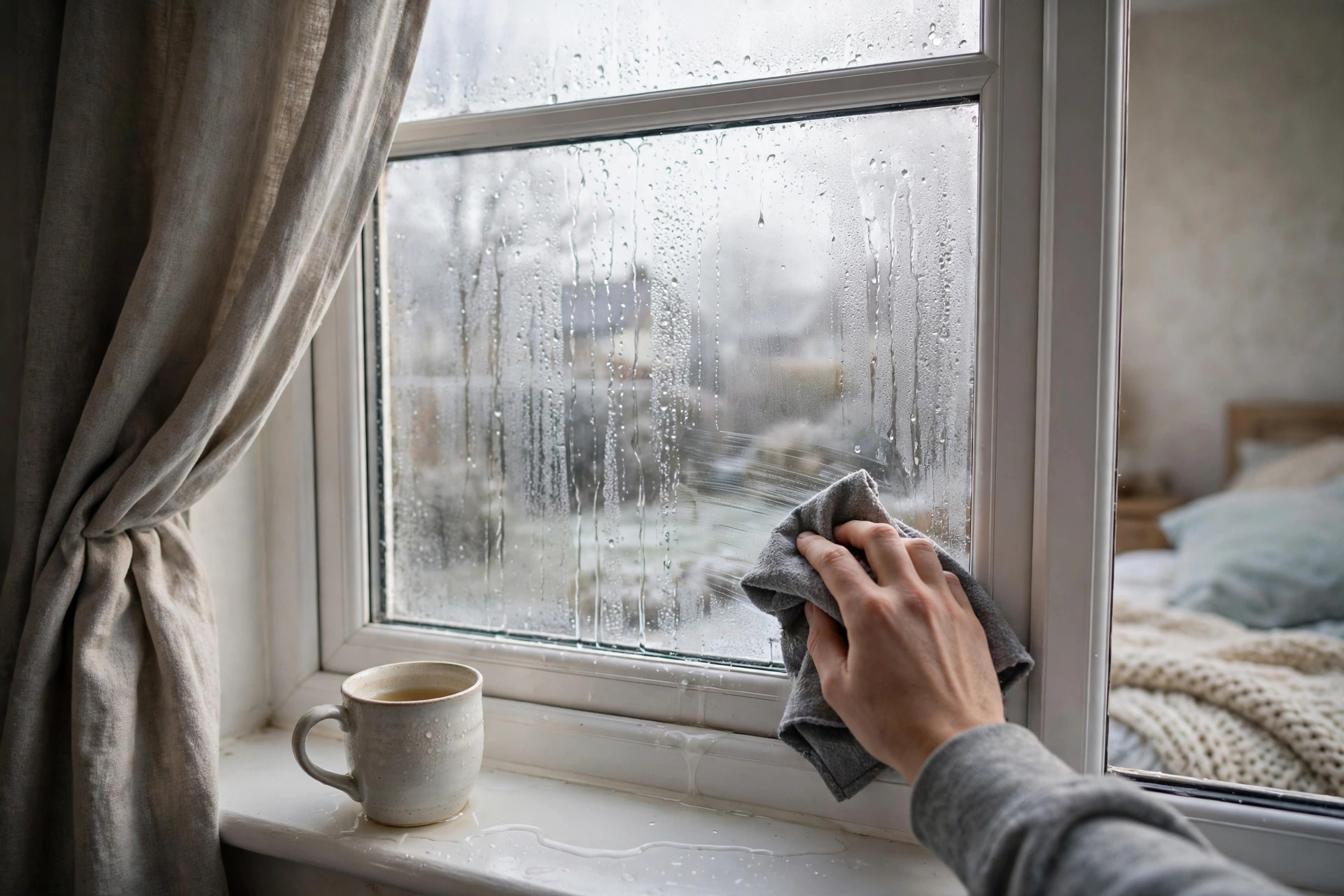
You wake up, pull the curtain back, and the window is streaming. Water runs down the glass and pools on the sill. The seal has black spots on it. In the worst corner, the paint is starting to bubble.
This is condensation on windows, and it is the most common damp problem in UK homes. In fact, almost every home gets some in winter. The good news is that you can stop most of it. You do not need new windows. Also, you do not need to spend much money. You just need to know where the water comes from, and how to give it an exit.
At a Glance
- Condensation happens when warm, wet air touches cold glass and drops its water.
- Fastest free fix: wipe the glass each morning, then air the room for 10 minutes.
- Best cheap buy: window insulation film, about £5 to £15 a room.
- One number to know: a family of four can add about 9 litres of water to the air every day.
- Warning sign: mist between the two panes means the window unit has failed. No habit can fix that.
What Is Actually Happening on Your Glass?
The science sounds hard, but the idea is simple. Warm air can hold a lot of water, and you cannot see it. Cold air can hold much less. So when warm, wet air from your room touches a cold window, the air next to the glass cools down fast. Then it drops the water it can no longer hold. That water is the mist, and then the drips, on your window.
Your windows are usually the coldest surface in the room. The walls are warmer, and the furniture is warmer. So the glass is where the water lands first. In winter, the gap between warm room air and cold glass is bigger. As a result, winter is when condensation on windows is at its worst.
One more thing helps to know. A little mist on a frosty morning is normal. However, water that streams, pools and comes back every single day is not. That daily water is what rots sills, feeds mould and ruins paint. So the aim is not perfect glass. The aim is to break the daily cycle.
Where Does All the Water Come From?
Your home makes water all day long. You breathe it out, about half a pint each overnight while you sleep. Showers fill the bathroom with steam. Pans boil, kettles boil, and baths add more. A family of four can make around 9 litres a day in total.
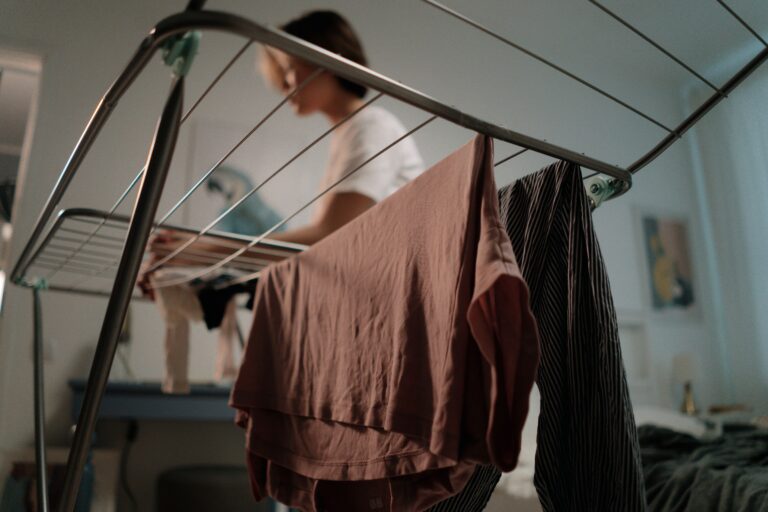
Laundry is the hidden one. One load drying on an airer lets go of about 2 litres of water into the air. That water has to land somewhere, and cold glass is its favourite spot. If drying is a big part of your problem, our guide to drying clothes indoors shows how to dry a load without filling the air with water.
So there are only two ways to beat condensation. You can make less water, or you can help the water leave. The nine fixes below do both.
First, the Free Daily Habits
1. Wipe the windows every morning
This sounds too simple, but it works. Run a cloth or a small squeegee down each window in the morning. Wring the water into the sink. It takes about two minutes for the whole home.
Why does it matter? Water that sits on the sill soaks into paint, wood and sealant. That is what feeds the black spots. If you wipe it away, the water goes down the sink instead of into your walls. In addition, dry glass mists up more slowly the next day.
2. Air the room for 10 minutes
Fresh air from outside is dry air in winter, even when it feels damp. Open the windows wide for about 10 minutes each morning. The wet air leaves, and dry air comes in. Then close the windows, and the room warms up again fast, because the walls never cooled down.
Germans have a name and a whole routine for this. Our guide to house burping explains it step by step, with timings for cold and mild days. Do the bedroom first, while the duvet is pulled back to air the bed.
3. Keep the heating low and steady
Cold rooms make cold glass, and cold glass makes more condensation. So big blasts of heat, then long cold gaps, make the problem worse. A low, steady heat is better. Try to keep lived-in rooms at an even warmth through the day in winter.
Also, check that every room is heating fairly. If one room is always colder than the rest, that room will get the worst condensation. Often the cause is a radiator cold at the bottom, full of sludge. Bleeding it, or balancing the system, evens the heat out again.
Next, the Cheap Fixes (£5 to £40)
4. Open the trickle vents and use your extractor fans
Most modern windows have a small vent slot at the top. Many people close it to keep the heat in. That is a mistake. The vent lets wet air trickle out all day, which is exactly what you want. Open every trickle vent in the home and leave them open.
Then use your fans properly. Run the bathroom fan during a shower and for at least 15 minutes after it. Use the cooker hood or open the kitchen window a crack while pans boil. Fans only help if they run long enough, so give them time.
5. Fit window insulation film
Film kits are the best cheap fix for single-glazed windows, and they help older double glazing too. You stick a clear film over the frame and shrink it tight with a hairdryer. It costs about £5 to £15 per room and takes half an hour.
The film traps a layer of still air against the glass. As a result, the surface you touch is warmer, so water does not form on it so easily. It comes off cleanly in spring, so it also suits renters.
6. Change how you use curtains and blinds
Thick curtains keep a room cosy, but they can trap a pocket of cold, wet air against the glass. Water then forms behind the curtain where you cannot see it. That is why mould often starts at the bottom corners of bedroom windows.
The fix is easy. Open the curtains wide every morning so air and light reach the glass. At night, leave a small gap at the top if you can, so air can move. And never leave curtains closed all day against a cold window.
Then, the Bigger Jobs (£100 and Up)
7. Run a dehumidifier near the problem windows
A dehumidifier pulls water out of the air and collects it in a tank. Put one in the worst room, often the bedroom or the room where laundry dries. A good one costs about £100 to £180 and uses only a few pence of power an hour.
This is the right buy when the free habits help but do not finish the job. It is also the fastest way to dry out a room that already feels damp. Empty the tank each day, and you will see in litres how much water was in your air.
8. Add secondary glazing
If your windows are single-glazed, secondary glazing makes the biggest change. A second pane, fitted inside the frame, makes the inner glass much warmer. Warm glass means the air next to it never drops its water. So condensation mostly stops.
Simple DIY kits and magnetic panels cost about £150 to £250 per window. Made-to-measure units cost more. Renters in listed or older homes often use the removable kind. Warmer glass and good home insulation work together: both raise the cold surfaces in a room, so water has nowhere cold to land.
9. Sort the ventilation once and for all
If every room streams every day, the home may need a proper ventilation upgrade. Options range from a stronger bathroom extractor to a PIV unit in the loft, which gently pushes dry air through the whole home. Fitted costs run from about £250 to £500 and up.
This is a landlord or homeowner job, not a renter job. But it is the lasting fix for homes where condensation is a whole-house problem, not just a bedroom window problem.
Where It Hits Worst, Room by Room
Bedroom. This is usually the worst room, because two sleepers breathe out about a pint of water overnight, into often the coolest room in the house. Wipe this window first. Air this room first. Pull the duvet back while you do it, so the bed dries too.
Bathroom. Steam from a shower is a lot of water in a small room. Keep the door shut while the fan runs, so the steam leaves by the fan and not into the hall. If there is a window, open it for 10 minutes after a bath.
Kitchen. Pans are the main source here. Lids on, hood on, and a window cracked while you cook. A roast dinner or a big soup day can fill the kitchen glass; a short airing straight after clears it.
What Does It Cost?
| Fix | Typical cost | How fast it helps |
|---|---|---|
| Wipe and air each morning | Free | From day one |
| Trickle vents and fans used well | Free | Within days |
| Window insulation film | £5 to £15 per room | Same day |
| Dehumidifier | £100 to £180 | Within days |
| Secondary glazing (DIY) | £150 to £250 per window | Same week |
| Ventilation upgrade (fitted) | £250 to £500+ | Permanent |
Renting? Read this first
Every free habit on this list is yours to use, and window film comes off cleanly when you leave. Do not seal up vents or air bricks, though. They are part of the home’s ventilation, and blocking them can be held against you. If the extractor fan is broken, the window seals have failed, or the heating cannot warm the rooms, that is your landlord’s job to fix. Report it in writing, with photos of the streaming windows and any mould.
What I’d Do in My Own Home
If this was my home, I would start with one free week. Wipe the windows each morning, air the bedrooms for 10 minutes, open every trickle vent, and keep the heating steady. Most homes see a clear change in that week, and it costs nothing.
Then I would put film on the worst bedroom window, about £10, and watch it for a few mornings. If that window stays dry, I would do the rest. Only if the home still streamed would I buy a dehumidifier. And I would spend that money before I ever thought about new windows.
6 Mistakes That Make Condensation Worse
1. Closing every vent to “keep the heat in”. You keep the water in too. Sealed homes get streaming windows.
2. Drying clothes in the bedroom. You then breathe that load’s water all night, and it lands on the coldest glass in the room — yours.
3. Wiping the glass but never airing the room. You mop up the water, but the air stays wet, so the glass streams again the next morning.
4. Heating one room hot and leaving the rest cold. The cold rooms become the water traps for the whole home.
5. Painting over black mould. Paint covers the stain, not the cause. The mould grows back through the new paint within weeks.
6. Leaving curtains shut all day. The wet air sits trapped against the glass, and the mould grows where you cannot see it.
Conclusion
Condensation on windows is not a sign of a bad home. It is a sign of wet air meeting cold glass, and both sides of that can be changed. Make a little less water, help the rest leave each morning, and warm up the coldest glass with film or a second pane. Start with the free week. Most homes do not need much more than that.
Frequently Asked Questions
Q1. Is condensation on the outside of my windows a problem?
No. In fact, it is usually a good sign. Mist on the outer pane means the outside glass is cold because your glazing is keeping the heat in. It clears as the sun warms it. Only water on the room side, or between the panes, is a problem.
Q2. What if the mist is between the two panes of glass?
That means the seal on the double-glazed unit has failed, and moisture has got inside the unit itself. No habit, wipe or dehumidifier can fix it, because the water is sealed in. The unit needs to be repaired or replaced. In a rental, that is your landlord’s job.
Q3. Do the washing-up liquid and shaving foam tricks work?
Only for a few days, and only as a cover-up. A thin film on the glass stops drops forming neatly, so the window looks clearer. But the water is still in the air, and it will land on the next cold surface instead. These tricks also smear the glass. Use them, if you like, while you sort the real fixes above.
Q4. Can condensation damage my windows over time?
Yes, slowly. Water that sits on timber frames rots the wood. It rusts handles and hinges, breaks down the rubber seals, and feeds black mould on the plaster around the window. This is why the two-minute morning wipe matters: it stops a small daily problem becoming a repair bill.
Q5. Should I just sleep with the bedroom window open all night?
You can, and in mild weather a small opening is fine. But most people sleep badly in a cold draught, and in deep winter it wastes heat. A hard 10-minute airing in the morning changes the air just as well, with the windows shut all night. Try the morning routine first.
Q6. We rent, we do the habits, and the windows still stream. Whose job is it?
The daily habits are yours. The building is your landlord’s. Broken extractor fans, failed window seals, faulty heating and cold walls from poor insulation are all the landlord’s side of the deal. Write to them, add dated photos, and keep a copy. If mould is growing and nothing happens, your council’s environmental health team can step in.