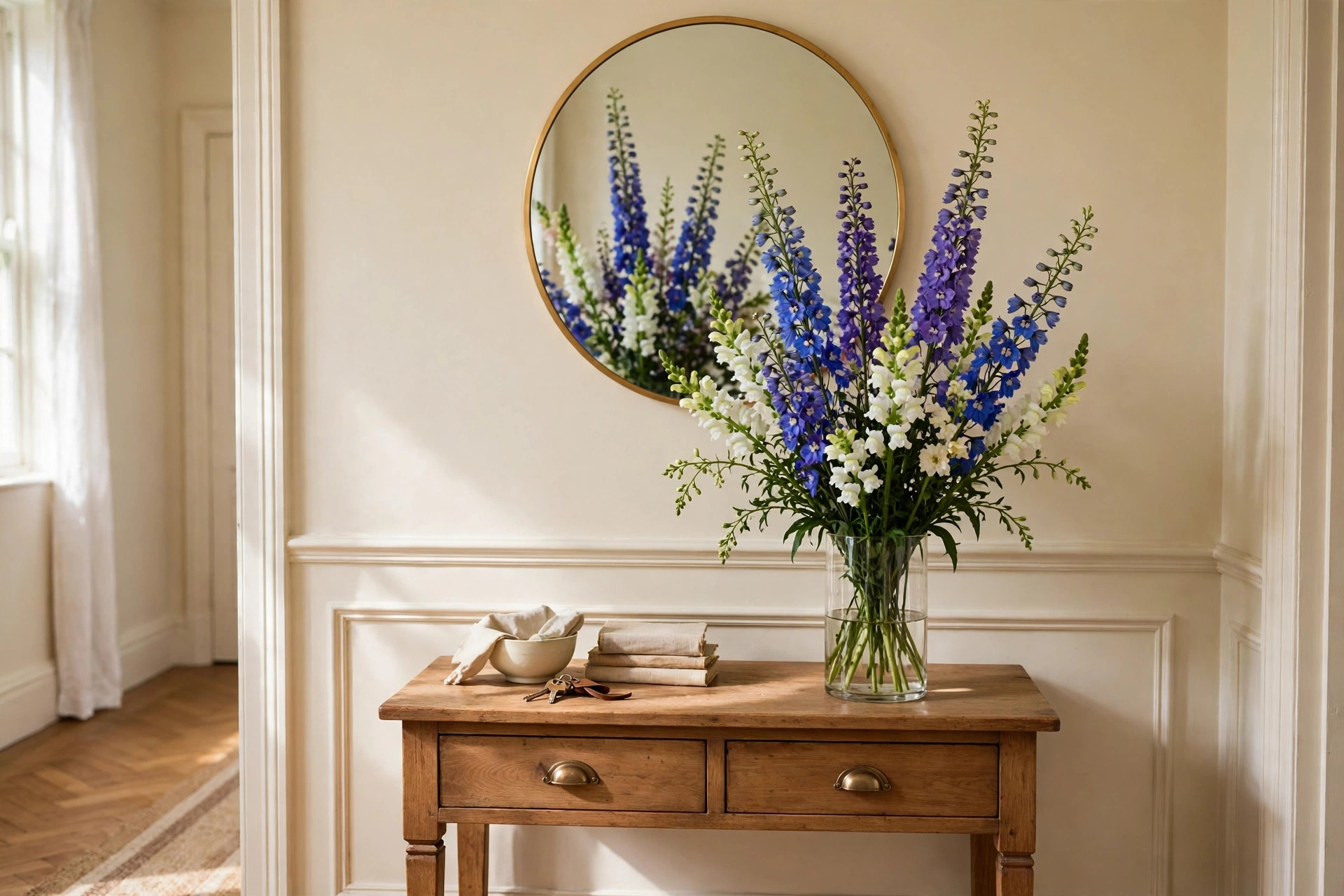
What Are Line Flowers? 12 Examples and How to Use Them at Home
You buy a bunch of flowers, drop them in a vase, and somehow they still look flat and a bit sad. Above all, the missing piece is usually height. Florists fix that problem with line flowers — the tall, spiky stems that give a bunch its shape before anything else goes in.
In this guide, you will learn what line flowers are and how to spot them in the shop. In addition, you will meet 12 of the best ones, see what they cost in the UK, and learn how to arrange them in a normal living room, hallway or dining table.
At a Glance
- Best all-rounder: snapdragons — cheap, colourful, and they last about a week in water.
- Cheapest way to start: one £3–£4 supermarket bunch that includes a few tall stems.
- The one number to remember: stems should stand about 1.5 times the height of your vase.
- Biggest mistake: cutting every stem the same length, so the whole bunch sits flat.
- Longest lasting: liatris and veronica often reach 10 days in clean water.
What Are Line Flowers?
Line flowers are tall flowers that grow along one long stem. Instead of one round bloom, they carry lots of small flowers up the stem, a bit like a ladder. The buds at the tip are usually still closed, and the open flowers sit lower down. As a result, your eye travels up the stem, and the whole bunch gains height and shape.
Florists sort flowers into four simple groups. Line flowers give the shape. Round mass flowers give the colour. Filler flowers soften the gaps, and foliage adds the green. In other words, line flowers are the skeleton of the arrangement. Everything else hangs on them. So, when a shop bunch looks flat, it nearly always lacks this tall skeleton.
You can spot them easily once you know the trick. First, look for a long stem with flowers opening from the bottom upwards. Next, check the tip — a line flower nearly always ends in small, tight buds.
Why Florists Always Start with Line Flowers
A florist never starts with the pretty round flowers. Instead, she puts the tall stems in first, because they set the height, width and outline of the whole design. After that, every other flower has a place to sit. The bunch looks planned rather than dropped in.
The same trick works at home, even with cheap flowers. For example, three tall stems can make a small £4 bunch look twice the size. Your eye reads the height first. In fact, height is what makes a supermarket bunch look like a florist bunch. The flowers themselves can be exactly the same.
Line flowers also help small rooms. A tall, slim vase of stems draws the eye upwards, so a low ceiling feels a little higher. Meanwhile, the footprint on your table or shelf stays tiny.
12 Line Flowers to Know
Start with two or three of these and you will cover most homes and most seasons. Prices are typical UK high-street and supermarket prices, and vase life assumes clean water.
1. Gladiolus
The classic tall spike, often up to 120cm, with big blooms that open one by one up the stem. Colours cover almost everything, from white to deep purple. A bunch of five stems usually costs £3–£5 in summer. Each stem keeps opening for 7–10 days, so the vase changes as the week goes on.
2. Delphinium
Tall, dreamy spikes in blue, purple, white and pink, usually 90–150cm. Delphinium gives the soft cottage look that round flowers cannot copy. Florists sell it at about £2–£3 a stem, so use three stems as the star of the vase. It lasts 5–7 days, which is shorter than most, but the look is worth it.
3. Larkspur
Larkspur is delphinium’s lighter cousin, with airier spikes of 60–90cm. It costs less, feels less formal, and suits relaxed, country-style rooms. Colours are soft: pink, lilac, white and pale blue. Expect 5–7 days in water, and handle the stems gently because they bruise more easily than gladiolus.
4. Snapdragon
Snapdragons stand 60–90cm and come in almost every colour, often with two tones on one stem. They are the best budget pick because supermarket bunches cost £3–£4 and last 7–10 days. Children love them too, since a gentle squeeze makes the little flower mouth open and close.
5. Stock
Stock is the scented one. The spikes are shorter, around 40–60cm, but the sweet, spicy smell fills a whole room. A bunch costs £3–£5 in spring and early summer. It lasts 5–7 days, so buy it for the fragrance as much as the height. One bunch on a hallway table greets every guest.
6. Liatris
Liatris grows a fuzzy purple spike of 60–90cm that does something unusual. It opens from the top down, not the bottom up. It looks modern and a little wild, and it lasts 7–10 days in water. Florists love it for slim vases because the stems stay straight and neat.
7. Foxglove
Foxgloves are the tall bells of a cottage garden, often 120–180cm, in pink, white and apricot. You will rarely see them in shops, so they are mainly one to grow and cut yourself. One warning, though: foxglove is poisonous if eaten, so keep it away from children and pets. Wash your hands after handling it, too.
8. Bells of Ireland
Fresh green bells stacked up a stem of 60–90cm. The colour is unusual — a clean apple green that calms bright mixes and lifts plain white ones. A bunch usually costs £4–£6 from a florist. It lasts about 7 days fresh, and the stems also dry well for later use.
9. Veronica
Veronica makes slim, tidy spikes of 40–60cm in blue, pink and white. It is the best line flower for small vases, because the scale stays neat. It flowers for a long season and lasts 7–10 days in water. Use it when tall gladiolus would swamp a small room.
10. Foxtail Lily
The drama option. Foxtail lilies send up huge soft spikes of 120–200cm in white, peach and orange. One stem in a floor vase is a whole display on its own. Florists charge £3–£5 a stem, and the flowers last about 5–7 days. Save it for a hallway or a corner that needs one big gesture.
11. Tuberose
Creamy white flowers on a stem of 60–90cm, with the strongest sweet scent of any flower on this list. Tuberose appears in late summer and costs a little more, around £4–£6 a bunch. It lasts 5–7 days. Put it in a bedroom or near a reading chair, where the scent can do its work.
12. Curly Willow and Branches
Not a flower at all, but florists still count bare branches as line material. Curly willow, pussy willow and blossom branches give height all year round. They last for weeks, because there is nothing to wilt. Garden prunings cost nothing. Shops charge about £3–£5 a bunch. In short, branches are the cheapest height you can buy.
How to Use Line Flowers at Home
Get the Heights Right First
The golden rule is simple: your flowers should stand about 1.5 times the height of the vase. So a 20cm vase wants stems around 30cm above the rim. In addition, never cut every stem to that same height. Instead, keep the tallest stem in the middle, then step the others down a little on each side. That gentle staircase is what makes a bunch look natural.
Odd numbers help too. Three or five tall stems look calmer than two or four, because the eye settles in the middle. Finally, turn the vase as you work, and check it from the side you will actually see.
Three Easy Arrangements Anyone Can Copy
The one-stem wonder. Put a single gladiolus or delphinium stem in a tall bottle vase and add nothing else. It suits a windowsill or a narrow shelf, and it costs about £1–£2 if you buy stems singly. The look is calm, modern and very hard to get wrong.
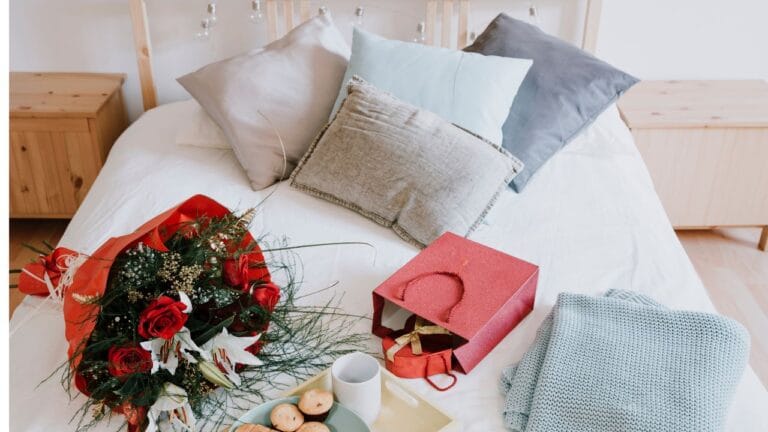
The supermarket bunch upgrade. Buy a normal £4 bunch of roses or carnations, then add three line stems from a second, cheaper bunch. Push the tall stems in first, slightly apart, and let the round flowers sit lower between them. As a result, the whole vase looks fuller and taller for about £7 in total.
The dining table centrepiece. Use one low, wide bowl so guests can still see each other. Then add just two or three slim line stems, like veronica or liatris, rising from the middle. The height gives it shape, but the stems are thin enough to see through. Everyone keeps talking, and the table still looks dressed.
Where They Work Best in a UK Home
Start with the hallway. A tall vase on a small console table is often the only decor a narrow hall can hold. It makes the whole home feel cared for the moment you walk in. Our guide to small hallway ideas shows the console tables that work best in tight spaces.
Next, try the wall opposite your sofa. A tall arrangement under a mirror doubles itself in the reflection, so one bunch does the work of two. The styling tricks in our statement mirror guide pair well with this, especially in small living rooms.
Finally, think about shelves. One slim vase of veronica or bells of Ireland breaks up a row of books and boxes beautifully. You can see more shelf styling ideas in our floating shelves guide.
What Line Flowers Cost in the UK
Flowers are one of the cheapest decor changes you can make, because nothing else in the room has to change. Here is what they usually cost:
- Supermarket bunches: snapdragons, stock and gladiolus often appear at £3–£5 a bunch in season.
- Florist stems: delphinium and foxtail lily cost about £2–£5 a stem, so three stems make a £6–£10 display.
- Market stalls: often the best value in summer, with big gladiolus bunches around £3–£4.
- Faux stems: good fake delphinium or willow costs £4–£9 a stem, once, and then lasts for years.
- Grow your own: a pack of 10 gladiolus corms costs about £3, and each corm gives you one tall spike.
In fact, a weekly £4 bunch works out cheaper than most scented candles, and it changes the room more. If you are styling on a budget, flowers beat cushions because you can change the colour every week. Our round-up of affordable living room decor makes the same point: small, fresh changes beat one big spend.
How to Make Them Last Longer
Most bunches die early for boring reasons, not because the flowers were poor. Clean water and a clean vase fix most of it. The RHS gives the same core advice in its guide to cutting and conditioning cut flowers, and it works just as well for shop bunches. Follow these steps when you get home:
- Wash the vase with hot, soapy water. Old bacteria in a dirty vase is the top reason flowers droop early.
- Strip the lower leaves. Any leaf sitting under the waterline will rot and feed bacteria, so pull off the bottom half of each stem.
- Cut the stems at an angle with a sharp knife or scissors, taking off about 2cm. A clean, slanted cut drinks better than a crushed flat one.
- Use the little food sachet if the bunch came with one. It feeds the flowers and slows bacteria at the same time.
- Top up every two days, and change the water every three or four days. Then snip a little more off the stem ends each time.
Finally, place the vase with care. Keep it away from radiators, sunny windowsills and the fruit bowl, because heat and ripening fruit both age flowers fast. A cool, bright hallway is often the best spot in the house.
Grow Your Own Line Flowers
If you have even a small garden or a few pots, these tall flowers are easy wins. Gladiolus corms go in during spring and flower in summer. Plant a few every two weeks, and you get a longer run of spikes. Snapdragons start from seed or small plug plants, and they keep coming if you keep cutting them. Delphinium is a border plant that returns each year, so one plant gives you spikes every early summer.
Cut stems in the morning, when they are full of water, and put them straight into a bucket. Then give them a few hours in a cool spot before you arrange them. The RHS list of award-winning easy cut flowers is a good place to choose proven varieties. Growing your own also solves the shop problem: foxglove and larkspur are hard to buy, but simple to grow.
Renting? This Is the Easiest Decor There Is
Flowers need no drilling, no nails and no permission. A vase sits on furniture you already own, and it leaves no mark when you move out. So, if your deposit worries you, this is the safest decor change on this whole site.
Two tips make it work even better in a rental. First, use a heavy, stable vase on a hallway table, so it cannot tip onto a carpet. Second, try faux stems in a dark hall where real flowers would fade fast. Nobody looks closely at hallway flowers, and a good fake delphinium will serve you for years.
What I’d Do in My Own Home
If I could only pick one thing from this page, I would buy snapdragons every week in spring and summer. I would keep one tall bottle vase in the hall for them. The bunch costs about £4, the vase cost £6 years ago, and the hall looks styled every single day. Then, in winter, I would swap to curly willow branches and stop spending altogether. That mix — fresh in the light months, branches in the dark ones — gives you height all year for very little money.
5 Mistakes That Make Line Flowers Look Wrong
1. Cutting every stem the same length. A flat top is the main giveaway of an amateur bunch. Step the heights down instead, with the tallest stem in the middle.
2. Using a vase that is too short. Tall stems in a short jar fall sideways and look messy. Keep the 1.5 rule: the vase should hold at least a third of the stem.
3. Leaving leaves under the water. Those leaves rot within days, the water turns cloudy, and the flowers follow. Strip the bottom half of every stem before it goes in.
4. Putting every tall stem in the centre. A tight spike in the middle looks like a firework. Spread the tall stems a little, and let round flowers fill between them.
5. Parking the vase in heat. Radiators, sunny sills and spots above a fireplace all cook flowers quietly. Move the vase to the coolest bright spot you have, and you can double its life.
Conclusion
Line flowers are a small idea with a big effect. Tall stems go in first, and they stand about 1.5 times the vase height. Once you know that, every bunch you buy will look better — even the £3 one from the supermarket.
So here is your one step for today: on your next shop, pick one bunch with tall, spiky stems, even if the rest of the bunch is plain. Put those stems in first, step the heights down, and enjoy a hallway or table that suddenly looks like a florist visited.
FAQs
Q1. Can I use line flowers in a short vase?
Yes, you can. Cut the stems down so about a third still shows above the rim. Then choose naturally shorter kinds, like veronica or stock. Alternatively, put one tall stem in a heavy bottle instead, and let the bottle do the holding. The line still reads clearly, even at a smaller size.
Q2. Are line flowers safe around cats and dogs?
Take care here. Foxglove, delphinium and larkspur can harm pets if they are eaten, so skip those in homes with chewing animals. Snapdragons and stock are safer everyday picks. Whichever you choose, keep the vase somewhere your pet cannot knock it over or nibble the stems.
Q3. Which line flowers dry well for later use?
Liatris, bells of Ireland and curly willow dry the best. Tie a small bunch with string, hang it upside down in a dry, airy room, and leave it for two to three weeks. The colours fade a little, but the shape holds. Dried stems are handy in winter, when fresh bunches cost more.
Q4. What is the best swap when I cannot find delphinium?
Choose larkspur. It is in the same family, gives the same soft spike, and usually costs less. If the shop has neither, veronica gives a slimmer, neater line, and three stems of it read almost as tall. Gladiolus is the boldest swap, but it changes the mood from soft to smart.
Q5. How many stems do I need for one vase?
Use three stems for a small vase and five for a medium one. A big floor vase wants seven to nine. Odd numbers look more natural than even ones, because the eye finds a middle stem to rest on. Then vary the heights slightly, rather than trimming them level.
Q6. Can fake line flowers ever look real?
Yes, if you choose well. Pick matte, fabric stems in true colours, and avoid anything shiny or plastic-looking. Bend each stem a little, because real stems are never poker straight. Then cut them to different heights, exactly as you would with fresh ones. Mixed into a real bunch, most guests will never notice.